News
Agricultural waste: three Beninese projects receive €50,000
Apid and Parasel-Bio are betting on biogas from pineapple and cassava residues, Adjiyon on ecological charcoal made from agricultural residues. Each received its grant on 12 November in Cotonou (ECREEE's RPCE programme).
Unofficial English translation of the French article: the French text prevails. Read the French version.
What has been decided
Three Beninese organisations each received €50,000 (about 32.8 million FCFA) on Thursday 12 November 2026 in Cotonou. This grant falls under the Regional Pilot Project on Circular Economy (RPCE), implemented by the ECOWAS Centre for Renewable Energy and Energy Efficiency (ECREEE), and the handover took place on the sidelines of the ECOWAS-EU Energy Partnership Forum, held in Cotonou from 11 to 13 November.
The three projects:
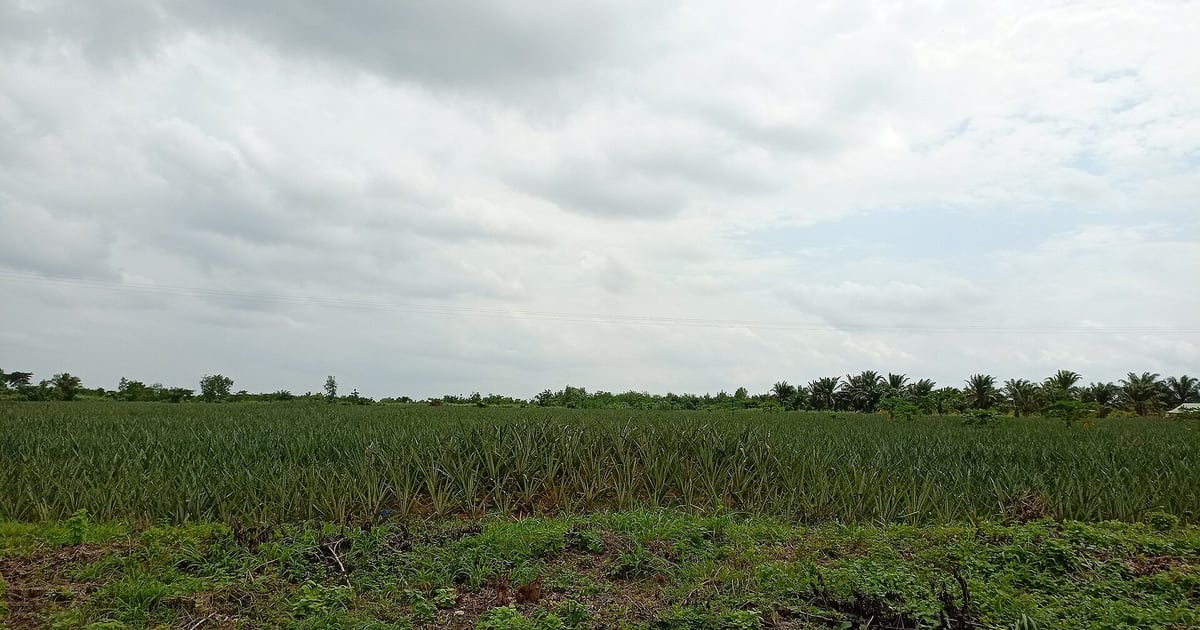
- Apid (Association for Development Initiatives, represented by Edmond Tossa): converting pineapple residues into biogas to power processing units, with a 30 m³ biodigester in Allada and a 30 kW solar system. The project targets 80 direct beneficiaries, including 50 women, and 15 green jobs; its promoter announces at least 35% lower energy spending, in the face of power cuts that, he says, can last four to six hours a day.
- Parasel-Bio (project presented by Mario Ezin): biogas and organic fertilisers from cassava residues, with a planned extension to electricity for a poorly served locality; about 1,200 indirect beneficiaries.
- Adjiyon (Arnaud Sènadé Bonou): ecological charcoal made from agricultural residues, intended in particular for households. The grant funds equipment to produce more, on a network of about 300 waste collectors and suppliers.
Who it is for
ECREEE's call for proposals, published in September 2025, targeted clean energy project promoters and agri-food chain players registered in Benin, Nigeria or Senegal. According to its terms of reference:
- funds of €436,200 for the whole call, with at most €50,000 per project, as a non-repayable co-financing grant; higher co-financing scores better;
- grant restricted to capital expenditure (tangible investments);
- in Benin, four value chains: cashew nuts, cassava, pineapple, oil palm;
- lead applicant legally registered in the country and in existence for at least two years, applying alone or with two or three organisations; the approval letter from ECREEE's National Focal Institution is among the required documents;
- documents required: proposal template, detailed budget in Excel, partnership agreements or commitment and co-financing letters, experts' CVs.
The extended deadline for this call was 18 November 2025.
ECREEE announced on 1 September 2026 a facility for the energy transition of food systems, funded by the Spanish Agency for International Development Cooperation (AECID) with €2.5 million for a first phase, of which at least €1.2 million for technical assistance and grants. A call for innovation proposals is planned under it for ESEF 2026 (ECOWAS Sustainable Energy Forum, ECREEE's annual forum).